About the lab
What is What Happens If?
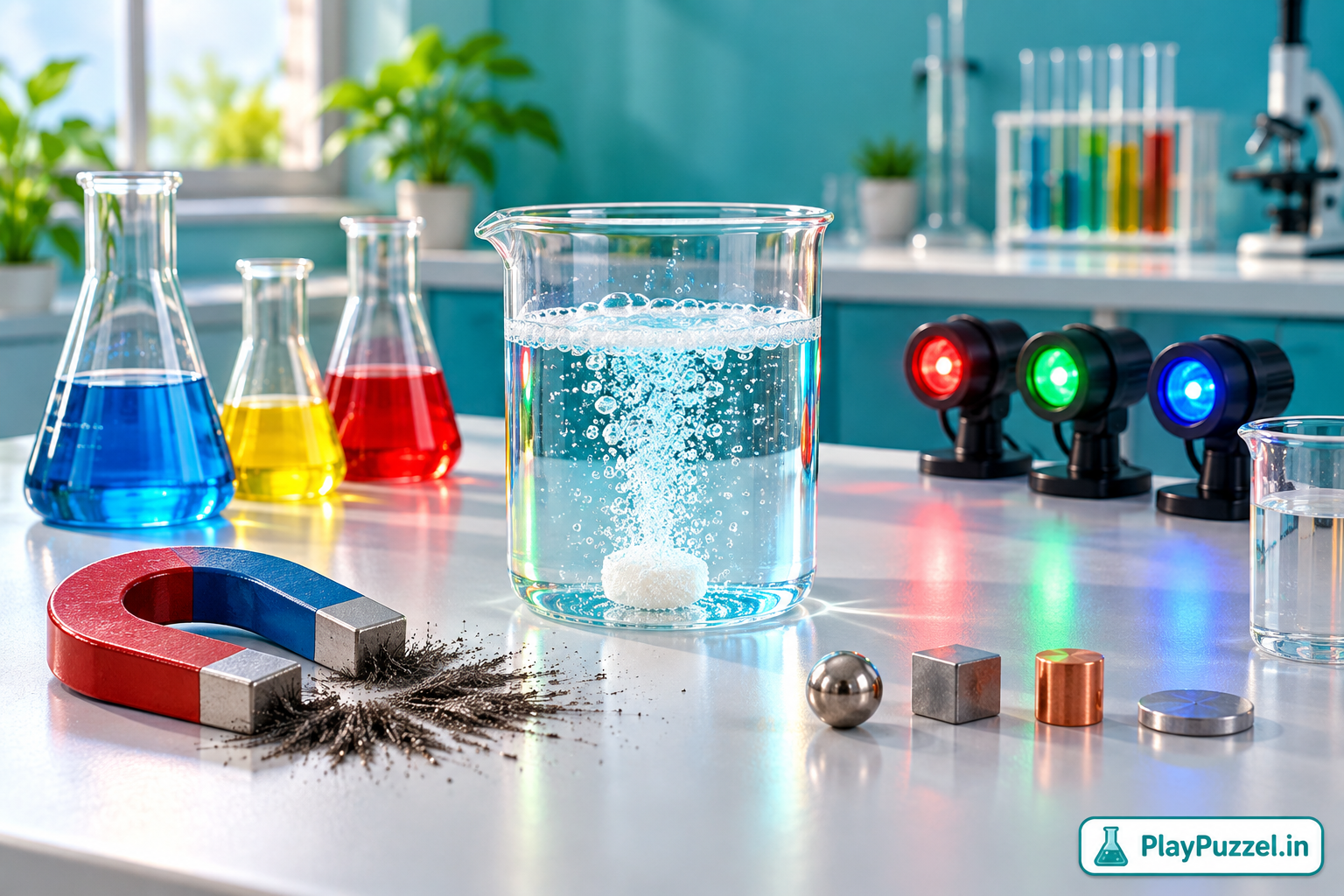
The tray holds more than twenty curated materials, from hydrogen and oxygen to baking soda, vinegar, salt, iron and copper. Some pairs react straight away, some need a little energy such as a spark, and some do nothing at all. The lab treats every result as a discovery, and a no-reaction result comes with a friendly suggestion for what to try next.
Missions give each session a goal, such as making water, making something fizz, making salt disappear in water or burning carbon. Every new reaction is stamped into the child's Discovery Book, which fills up across the whole Science Lab.
Explanations that grow with the child
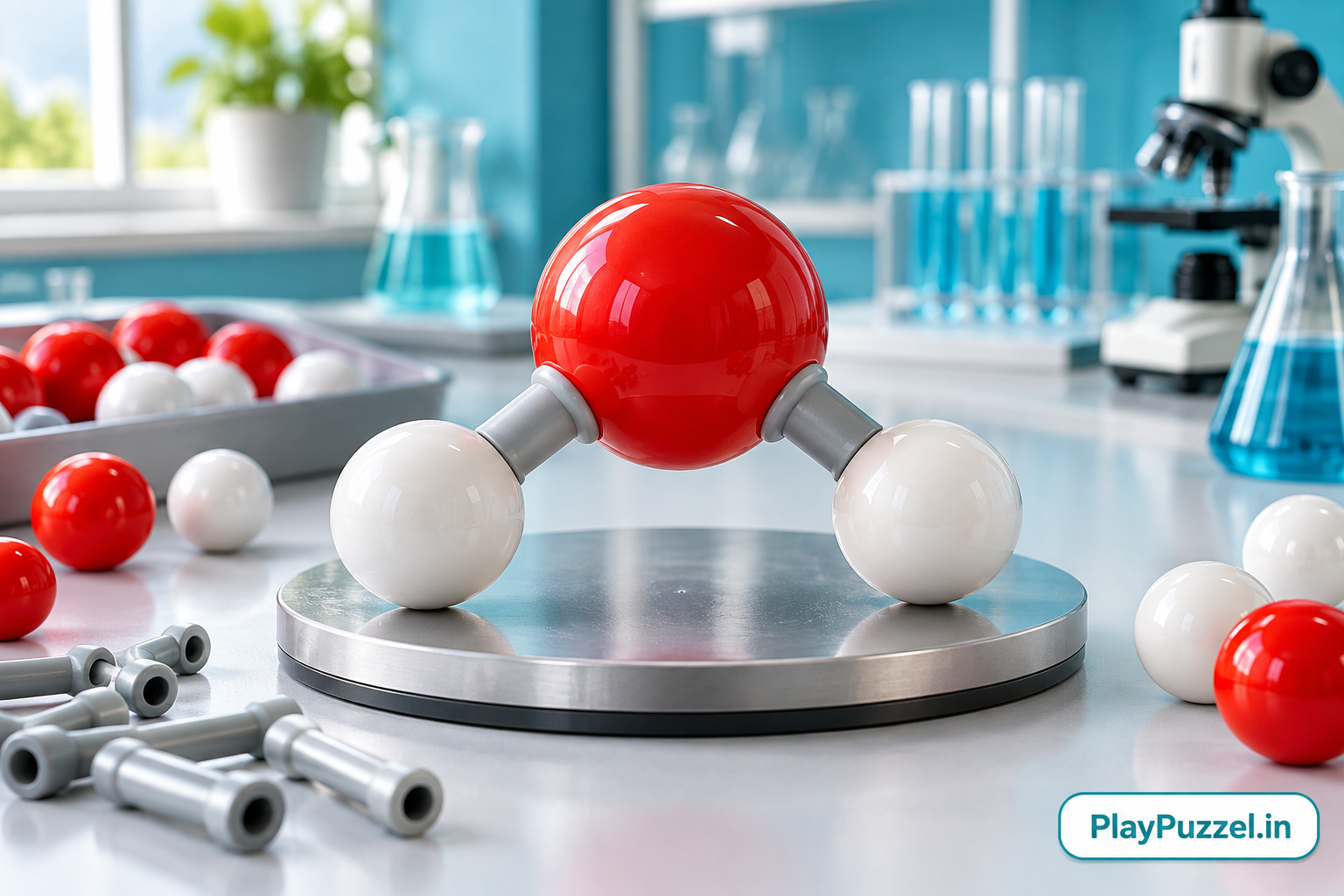
At Beginner level a result reads like a story: hydrogen and oxygen joined together and made water. Explorer swaps the names for chemical formulas and adds the reaction type and whether energy is given out or taken in. Advanced shows the balanced equation and opens the deeper explanation, so children can think like chemists.
Every reaction in the lab has been checked: equations balance atom for atom, and each explanation is written for its level.
Why it is safe
Some reactions in the lab, such as hydrogen with oxygen or sodium with water, are dangerous in real life. That is exactly why they belong in a virtual lab. Children can only combine curated materials, every hazardous reaction carries a clear safety note, and the lab never gives instructions for trying an experiment for real.
Experiments you can try
Beginner, ages 6–8 Free, no sign-in
- Make water
- Make it fizz
- Make salt disappear
- Melt the ice
- Burn carbon
Explorer, ages 9–11 Free with sign-in
- Make rust
- Split water
- Salt from danger
Advanced, ages 12–14 PlayPuzzle Premium
- Make ammonia
How to play
- Pick a mission, or choose free explore to mix anything.
- Drag two or three materials from the tray onto the lab bench, or tap to place them.
- Add a condition such as heat, cold or a spark if you like.
- Press Mix and watch the reaction.
- Read what happened, why it happened and where you see it in real life, then collect the discovery.
What kids learn
- That a chemical reaction makes new substances
- That some reactions need energy, such as heat or a spark, to start
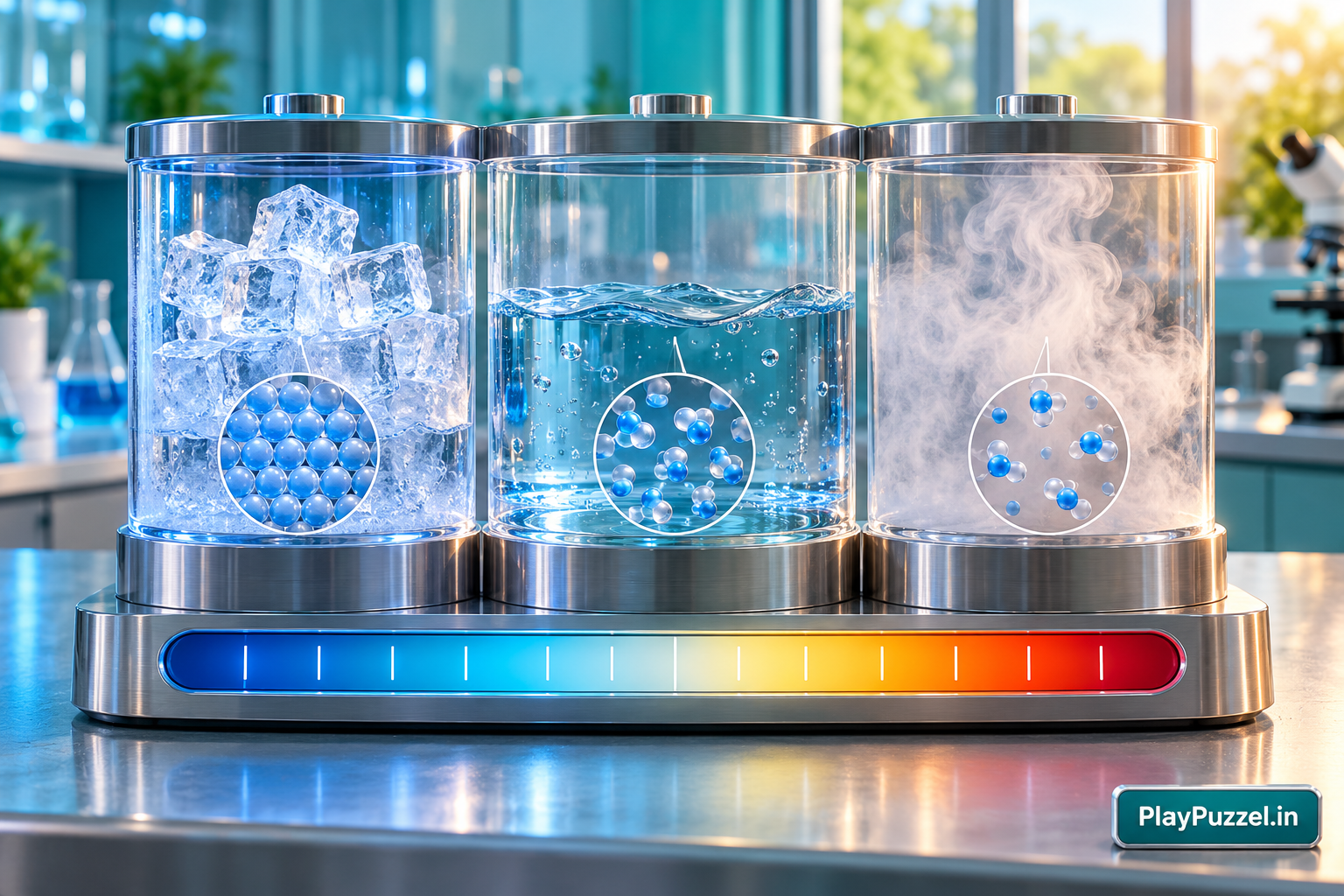
- The difference between a physical change like melting and a chemical reaction
- How to read chemical formulas and balanced equations
- How reactions such as rusting, burning and fizzing appear in everyday life
- Why some reactions are only safe to explore virtually
Skills practised
Levels and ages
- Beginner, ages 6–8: Free, no sign-in, 5 missions.
- Explorer, ages 9–11: Free with sign-in, 8 missions.
- Advanced, ages 12–14: PlayPuzzle Premium, 9 missions.
Levels are opened by plan and never locked by age, so any child can pick the level that suits them.
Is it safe?
This is a virtual lab. Many of these reactions are dangerous in real life, so never try them yourself.
Frequently asked questions
What age is What Happens If? for?
It is designed for ages 6 to 14. Beginner explains results in simple words, Explorer adds chemical formulas, reaction types and energy changes, and Advanced adds balanced equations and deeper explanations.
Is What Happens If? free?
Yes. It plays free at Beginner level with no sign-in, up to a generous number of experiments on each device. A free PlayPuzzle account removes the limit, unlocks Explorer and saves discoveries; PlayPuzzle Premium adds Advanced.
Are the reactions real?
Yes. Every reaction is a real one with a balanced equation, and the explanations have been written for each level. The animations are simplified so children can see what changes.
Is it safe for children?
Yes. Everything happens on screen. Children can only mix curated virtual materials, dangerous reactions carry a safety note, and the lab never gives real-world instructions.
What happens when two things do not react?
The lab says so kindly, explains why if it can, and suggests something else to try, so a no-reaction result is still a discovery.